Restaurant operations
Kitchen line, service rhythm, food cost, staffing and the complaint loop. The menu is written against what supply can actually hold.

Activity · Food
The promise on the plate has to repeat every shift.
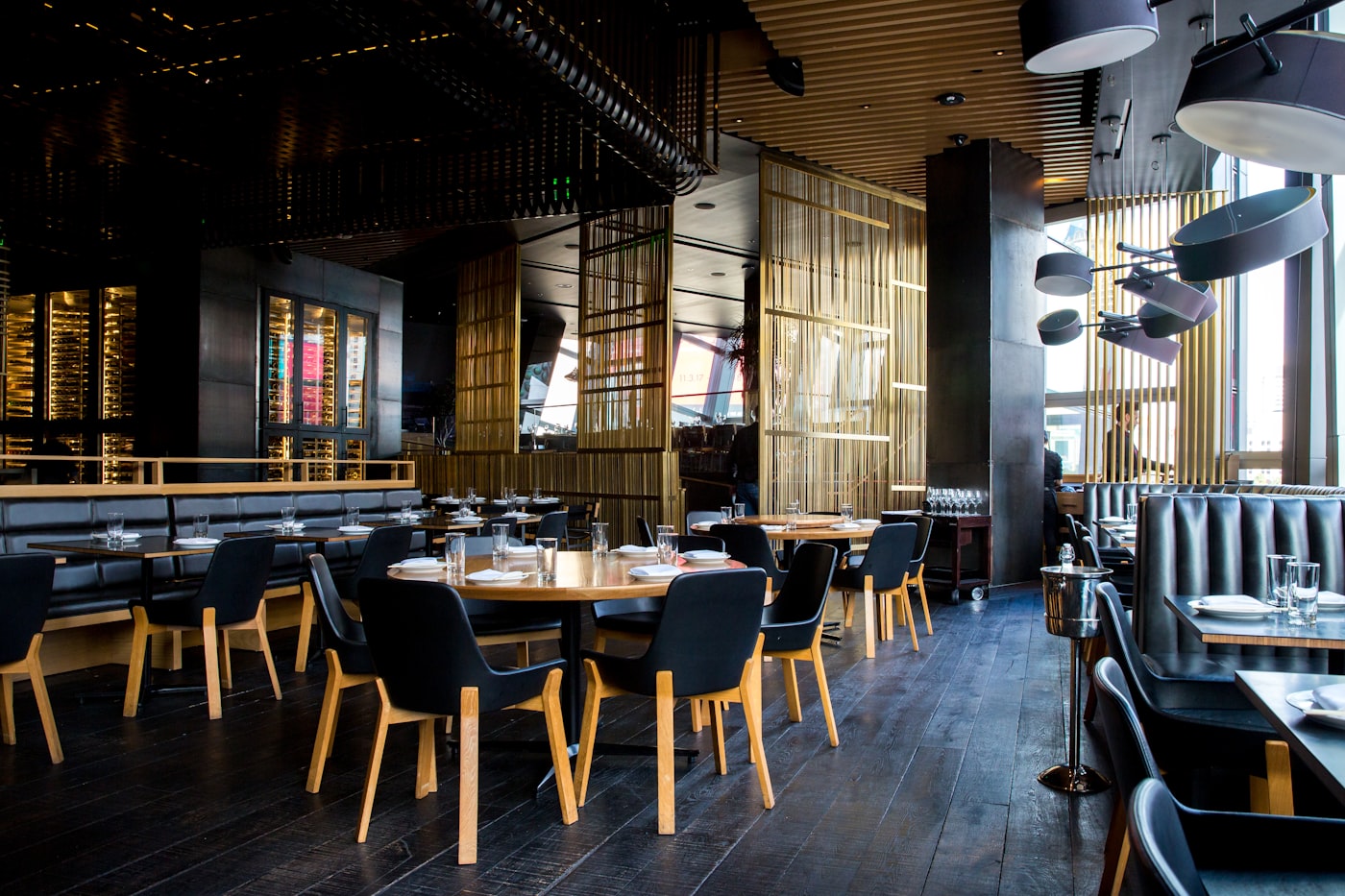
Our food line covers restaurant and cafe operations and franchise. What working chains know: guest experience depends on recipe, supply, training, hygiene and P&L sitting in one system. Heroics in a single site collapse at the second. We standardise the operation, then we multiply it.
Kitchen line, service rhythm, food cost, staffing and the complaint loop. The menu is written against what supply can actually hold.
Bar standard, open/close checklists, peak-hour capacity. Coffee and bakery do not scale without recipe cards.
Brand, operations manual, supply and audit. Franchise is a repeatable operating pack, not the sale of a sign.
Rent, foot and vehicle flow, neighbouring competition and the labour pool. If the concept does not fit the property, the concept changes.
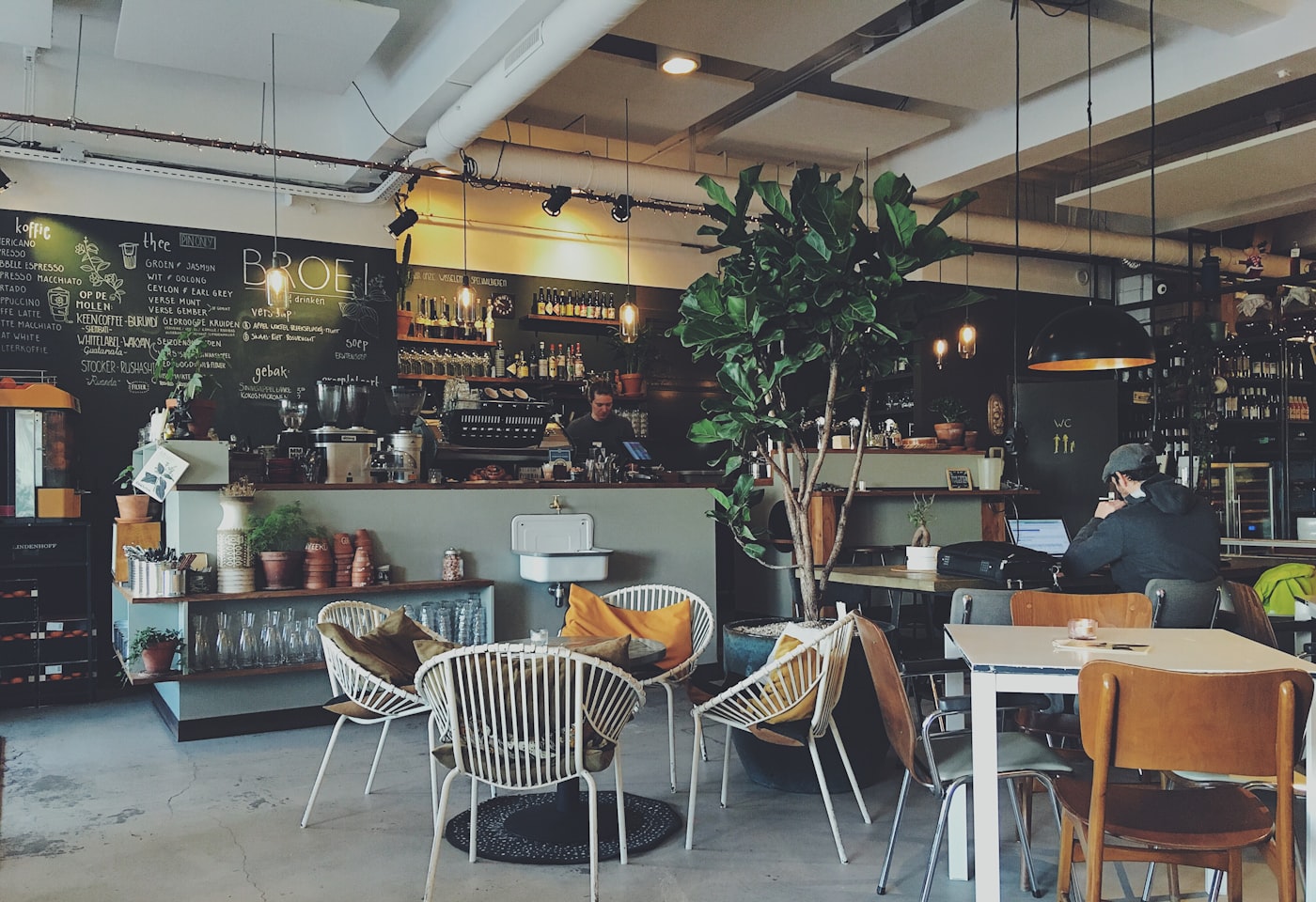
The sequence mature F&B groups use: lock the concept, prove a prototype site, write standards, train, audit — then franchise or open the next unit.
Menu, price, space and brand are proven in one site. An unproven model is not copied.
Recipes, hygiene, open/close, till and guest recovery are written. A chef’s memory is not a system.
Training, authority and cover. A site that depends on one person is an operating risk.
Contract, supply and periodic audit. Drift is corrected early to protect the brand.
An existing unit, a new concept or franchise — we talk from operating reality.
Get in touch